
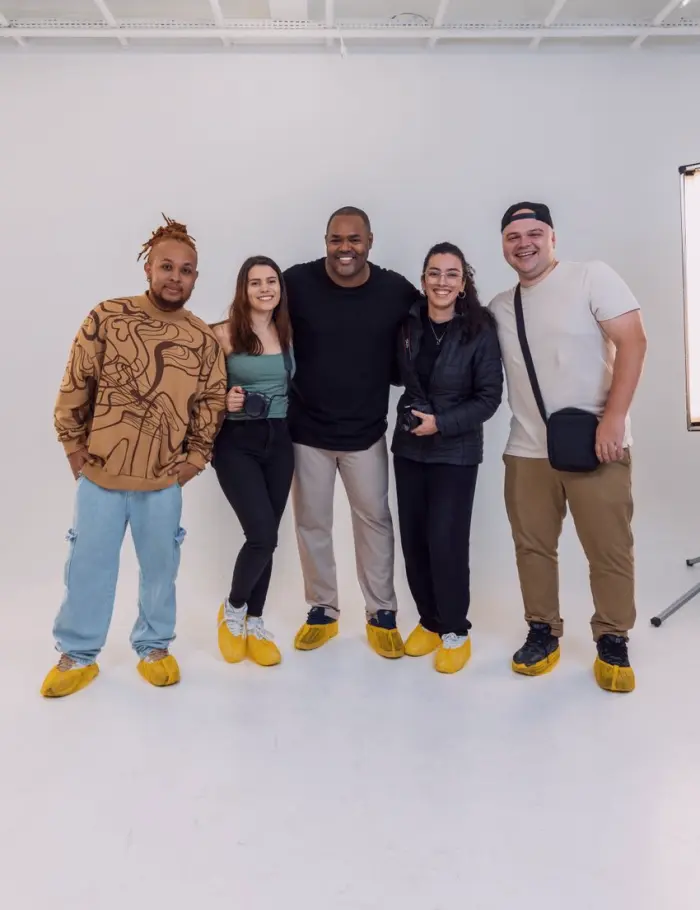
How a Swansea production resource came to be
zycroix was founded in 2012 in Swansea to help broadcasters and venue teams get their studios ready for air. We cover studio setup, camera operation, lighting and sound, and the workflows that tie those parts into one working day.
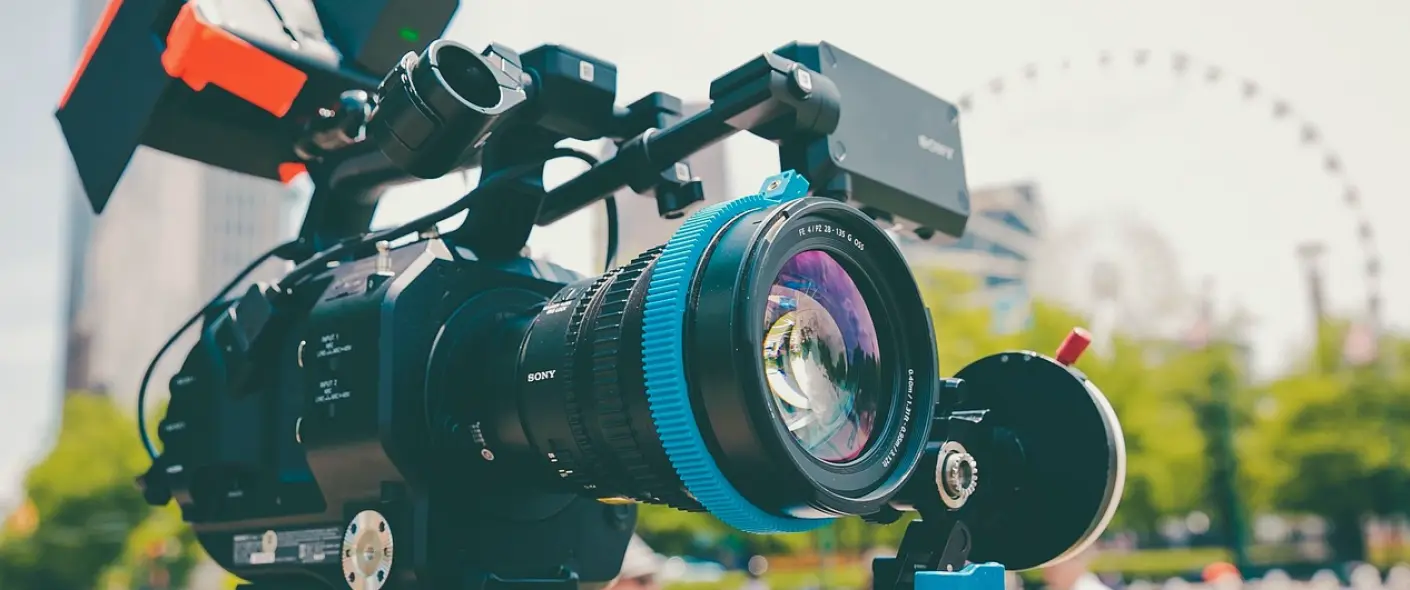
The idea was simple: a news or live studio works best when its equipment, people and running order have been planned together. Too often a camera is bought before anyone has thought about where the presenter sits, or a desk is built before the lighting is considered. We started by sitting with teams at that early stage and asking plain questions about what they wanted on screen.
Over the years that conversation has grown into a set of services that sit side by side. Rhys Pritchard leads setup and workflow planning, Catrin Hughes designs lighting, Daniel Morgan runs cameras and Joanne Davies looks after sound. Each of them has worked on bulletins, panel shows and stage events, so the advice comes from having done the job under live conditions.
We work with broadcasters planning a news studio, venue managers who want a filmed concert or party night to reach viewers at broadcast quality, and production teams who already have a space but need a calmer, more repeatable way of running it. The scale differs from job to job, but the questions about cabling, cues and sightlines are much the same.
We would rather say what is realistic than promise what is not. If a room has a low ceiling that limits lighting angles, or a venue cannot take extra cable runs, we say so early and suggest a workable alternative. That honesty tends to save more time on the day than any clever piece of kit.
Our office is at 14 Kingsway Wharf in Swansea, and most of our planning conversations begin with a phone call or a visit to the space itself. Seeing the room, the power and the people who will use it every day tells us more than a specification sheet ever could.
What guides our work
How our approach took shape
zycroix
- Founded
- 2012
- Today
- 2026
Start with the room
Every job begins by looking at the actual space, its power, ceiling height and sightlines, because those limits decide what equipment and lighting will really work there.
Plan the people and kit together
Cameras, mixers and microphones are chosen alongside the team who will use them, so the studio fits how the show is actually run rather than how a catalogue describes it.
Light for repeatable looks
Lighting plots are designed so that a news desk looks the same at the start and end of a long day, and so a change of presenter does not mean starting again.
Keep speech clear
Microphone placement and monitoring are settled before music or effects are considered, because viewers forgive many things but not words they cannot understand.
Rehearse the running order
Run sheets and cue structures are walked through with the whole crew, so each person knows their cue and what to do if something slips.
Review after the broadcast
After a show we talk through what went well and what caused friction, and feed those notes back into the next plan, so each production runs a little more smoothly than the last.
What clients say
Talk to us about your studio or live show
Send an enquiry through the contact page and tell us about your space and your show. We will reply, ask what we need to know, and follow with a written quotation.
Contact